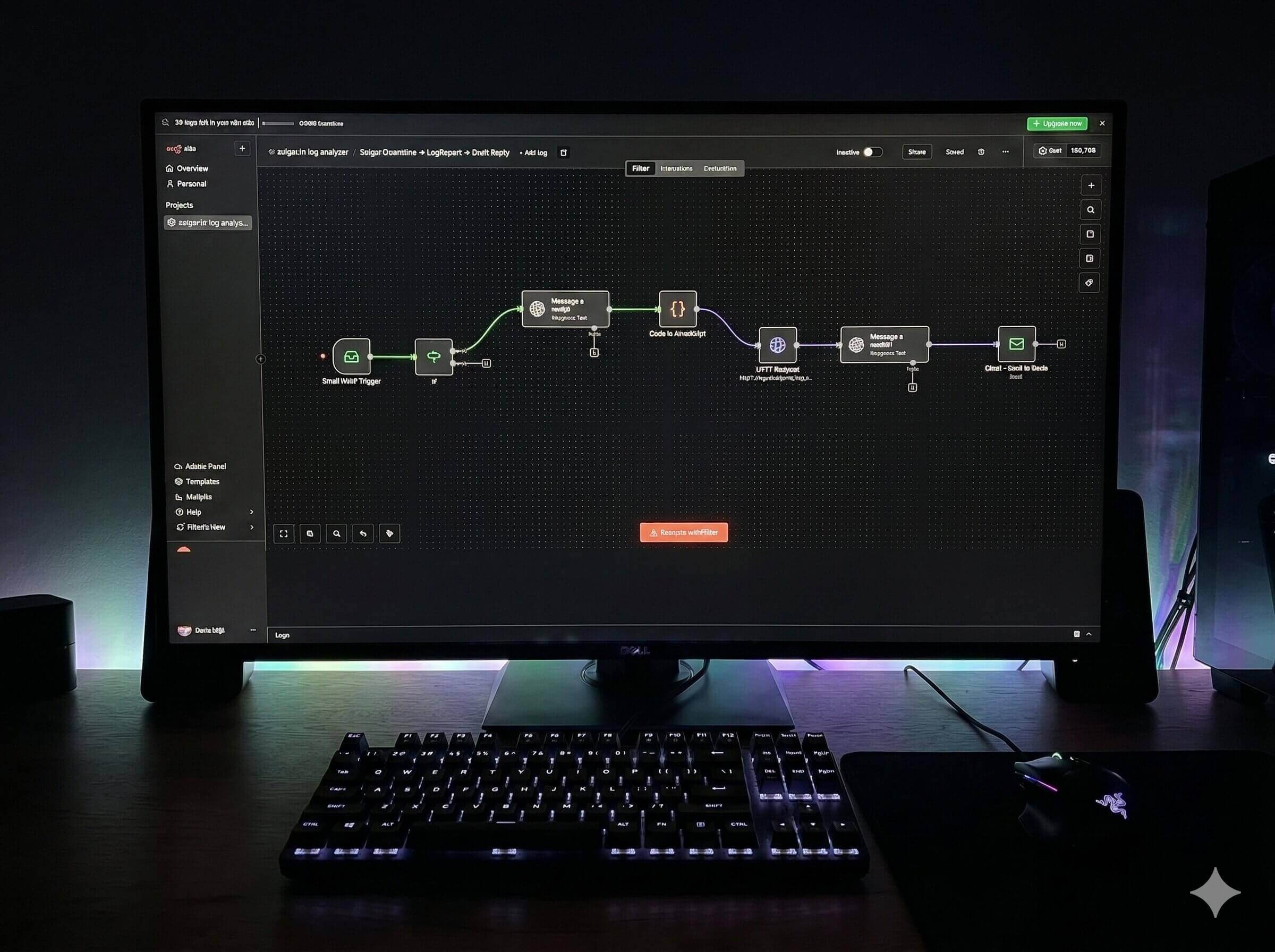
Without visibility, operations stay unsettled
Teams often ask for a new feature because the process feels broken. Sometimes that is the right answer. But just as often, what is missing first is visibility: where the request got stuck, how long processing takes, which step is most often delayed, and when an alert should fire.
Monitoring reduces guesswork
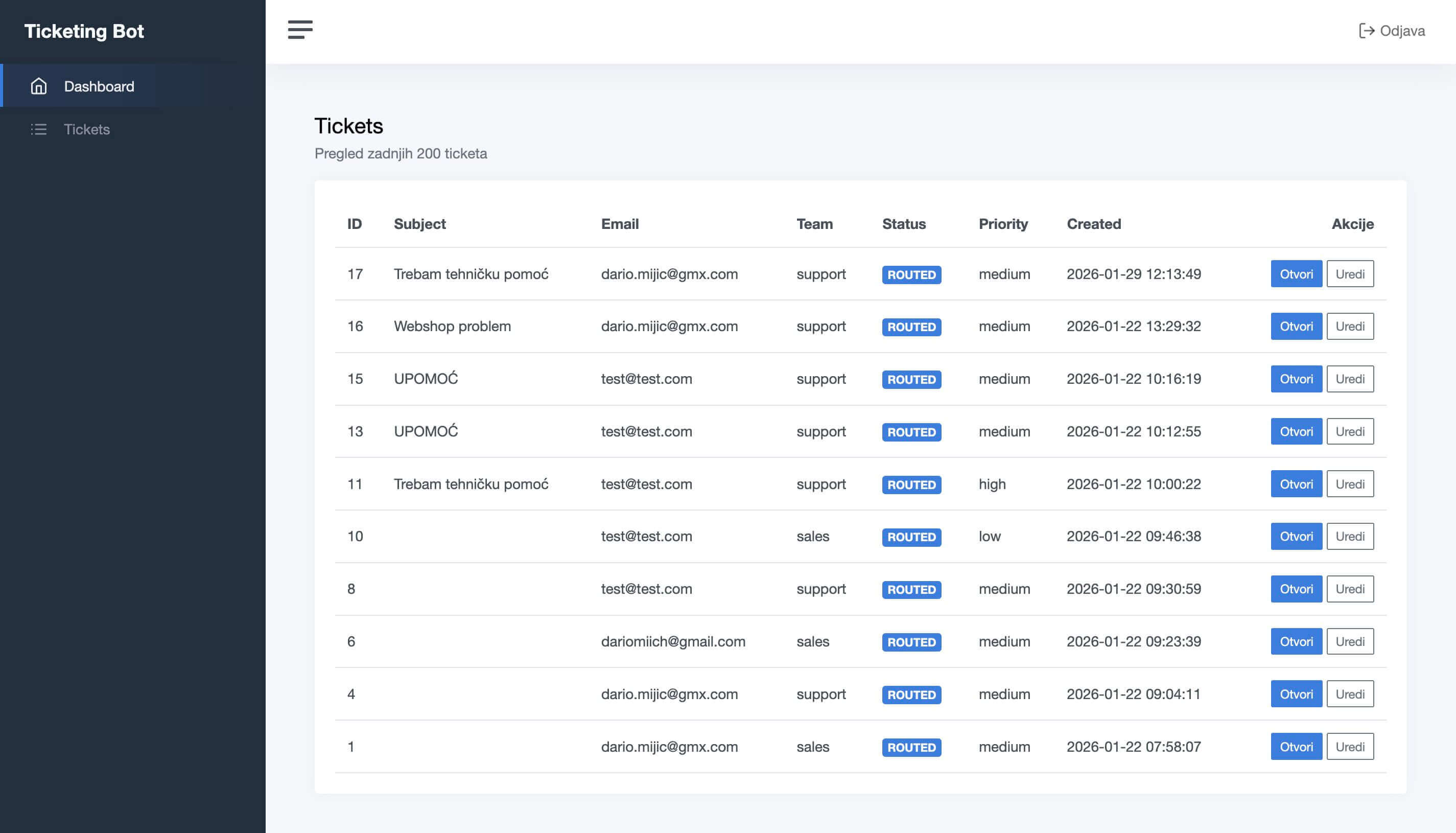
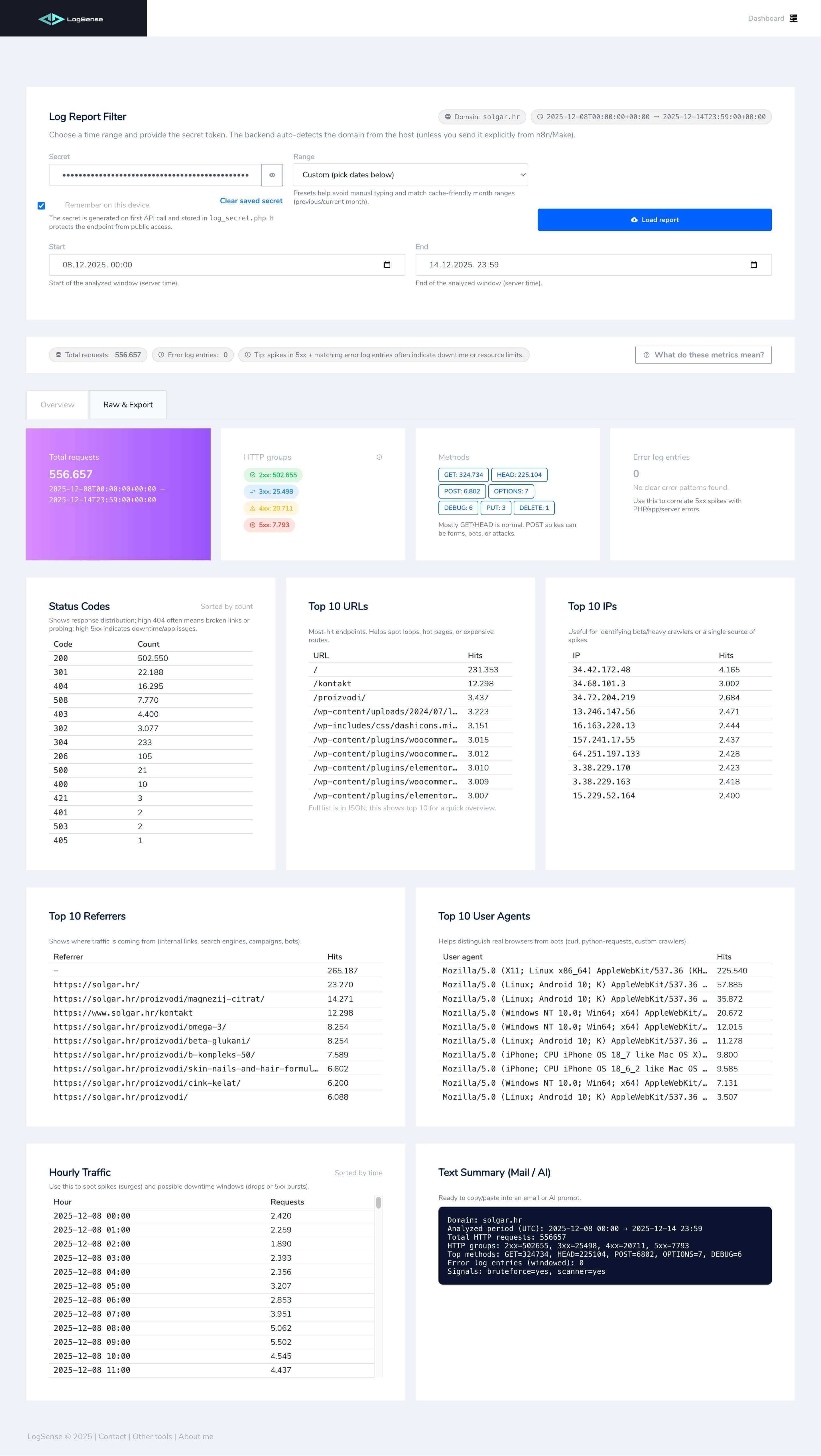
Basic signals help separate a real problem from a general impression. That can be a simple dashboard, a status record, log analysis, an alert, or a weekly view of what actually happened.
- Which requests are waiting too long?
- Which step creates the most manual intervention?
- Is there a repeating error pattern?
- What needs escalation and what simply needs recording?
Only then does expanding the system make sense
Once it is clear where the process is really breaking down, it becomes much easier to decide whether the answer is a new feature, another automation step, a rule change, or simply a cleaner handoff. That is a calmer way to build and far less likely to create expensive mistakes.