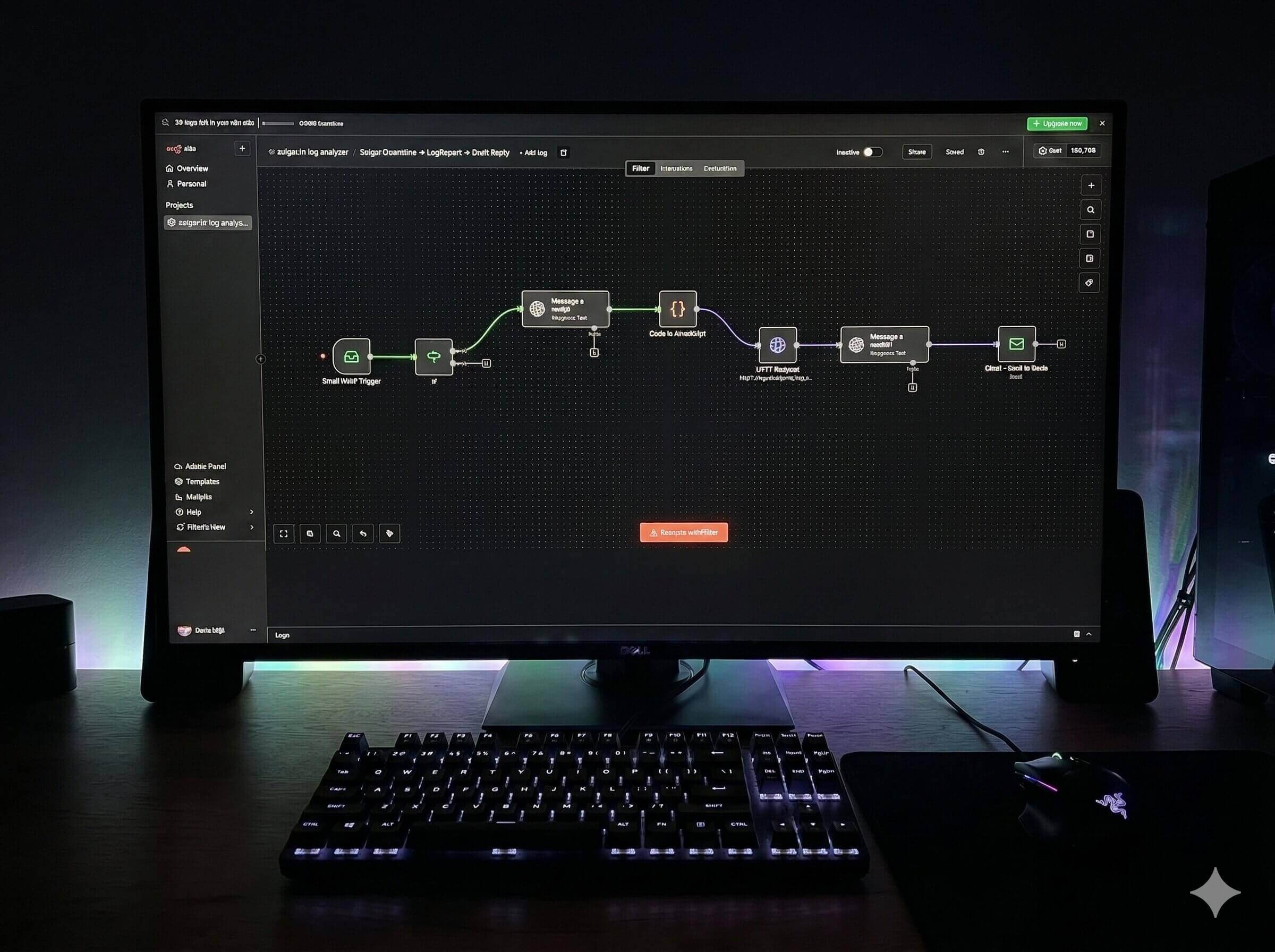
Clean up the input before you add AI
The weakest point in many AI systems is not the model. It is disorder at the intake layer. If messages arrive in different shapes, without required fields or clear meaning, every later step turns into exception handling.
That is why the first MVP should start with an agreed format: what comes in, what the system needs to know, and what kind of result should come out of each step.
Structured output is not a detail
When AI returns free text, the next step has to guess what the model meant. When it returns strict JSON, the system gets something far more stable: category, priority, summary, suggested team, and confidence level.
A confidence threshold protects the process
A good MVP does not pretend AI should decide everything. If the prediction is uncertain or the input is too vague, the case goes to human review. That keeps the system useful without creating unnecessary risk.
A decision trail matters more than a good demo
Ticket records, status, and decision history are what make the system useful after the first demo moment. The team needs to see what came in, what happened, who took over, and why a case ended up in manual review.
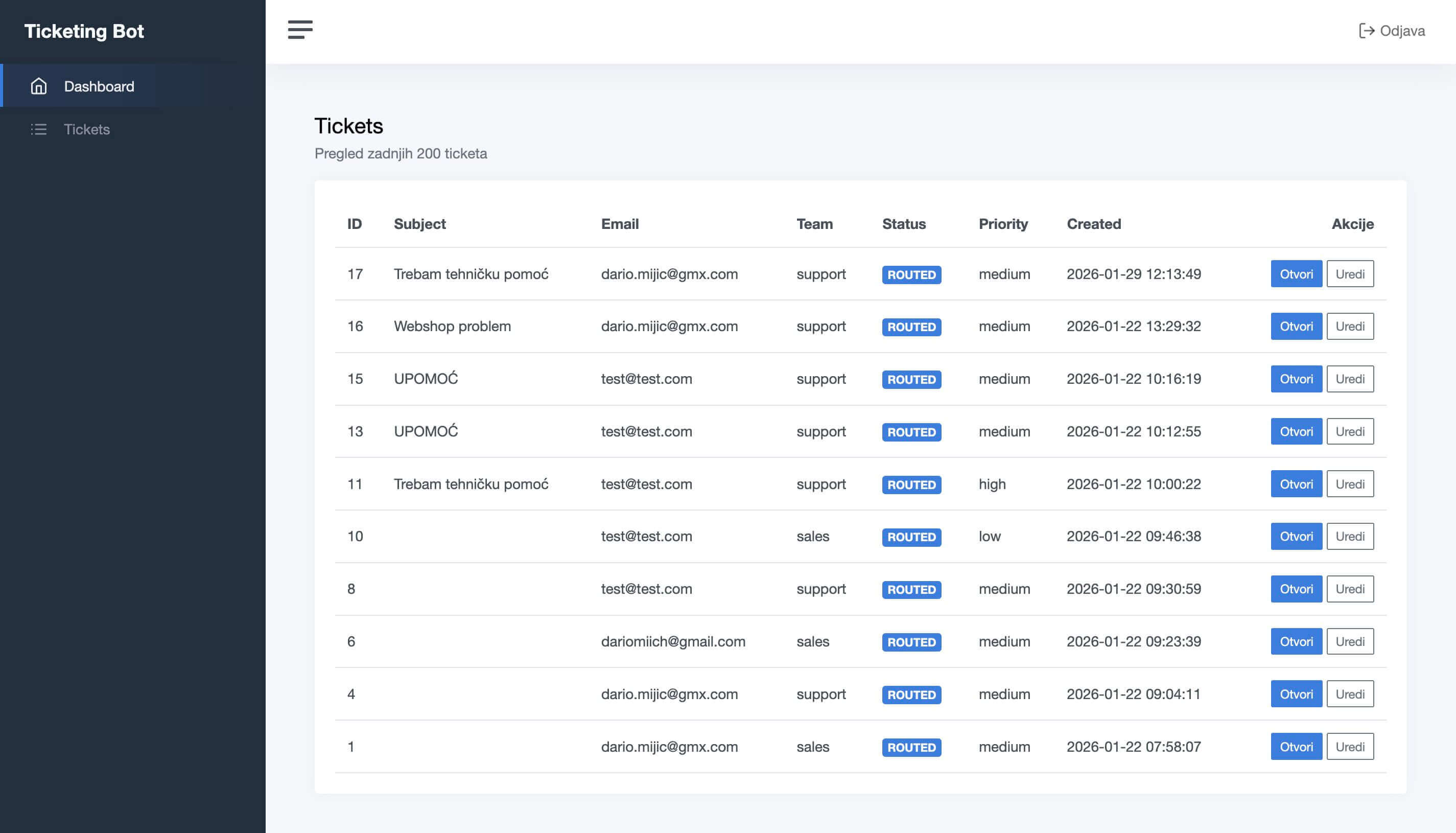
Small in scope, serious in execution
The first AI MVP does not need to be a large platform. It needs enough discipline to grow: clean intake, a record, routing, a human review path, and documented rules.