Process audit
Find where work gets stuck
We go through your current way of working, manual steps, handoffs, and bottlenecks to understand what is worth fixing first.

Business automation studio
Tokmatik helps small and mid-sized businesses turn slow, manual, disconnected processes into something clearer and easier to run. The goal is not “more technology” — it is less waiting, less copy-paste work, and a better overview of what is actually happening.
No generic solutions. No inflated promises. No fake metrics.
Services
If too much of your work still depends on inboxes, spreadsheets, and manual follow-up, Tokmatik helps turn that into a more reliable and easier-to-manage system. That can include forms, routing rules, AI support where it actually helps, dashboards, notifications, and better connections between the tools you already use.
Process audit
We go through your current way of working, manual steps, handoffs, and bottlenecks to understand what is worth fixing first.
Process automation
Requests, status tracking, follow-up, approvals, and reporting move from improvisation to a clear and repeatable process.
AI where it helps
AI is used for summaries, categorization, prioritization, and response preparation — only where it actually saves time or reduces manual effort.
Integrations
Forms, email, Slack, CRM, spreadsheets, databases, and dashboards are connected so information no longer has to be copied from one place to another.
Dashboards and visibility
Scattered data becomes a clear operational view: what came in, what is waiting, what is late, and where a decision is needed.
Operational support
After implementation, the work continues through adjustments, support, and improvements as the business changes.
How We Work
The way we work is intentionally simple. We do not start with a big “transformation project.” We start with one real problem worth solving first.
We look at the current way of working, inputs, manual steps, edge cases, and the places where delays, mistakes, or lost context happen.
We agree on what is being built, where the project starts and ends, where automation makes sense, where human judgment stays in place, and how the team will actually use the result.
We build the solution, connect the tools, test real scenarios, and introduce the system without unnecessary complexity.
We watch how the system performs in real use and adjust it where needed so it stays practical and sustainable.
Examples
The best first projects are usually not the biggest ones. They are the processes that repeat every week, slow the team down, and require too much manual tracking.
A new inquiry is captured, categorized, acknowledged, and sent to the next step without relying on memory or manual copy-paste.
Emails and requests can be categorized, prioritized, and sent to the right person with a clear trail of what happened and what comes next.
Briefs, blog posts, SEO materials, and social content can go through one structured process instead of being scattered across documents and messages.
Data from multiple sources can be brought into one view that shows what came in, what is waiting, and where work is slowing down.
When work moves from one person or function to another, the system clearly shows who takes over and what happens next.
The biggest gains often come from small, well-designed processes that make day-to-day work easier to manage.
Case studies
These examples present demo systems and internal projects through the business problems they solve. The focus is on operational value, without invented results or fake client numbers.
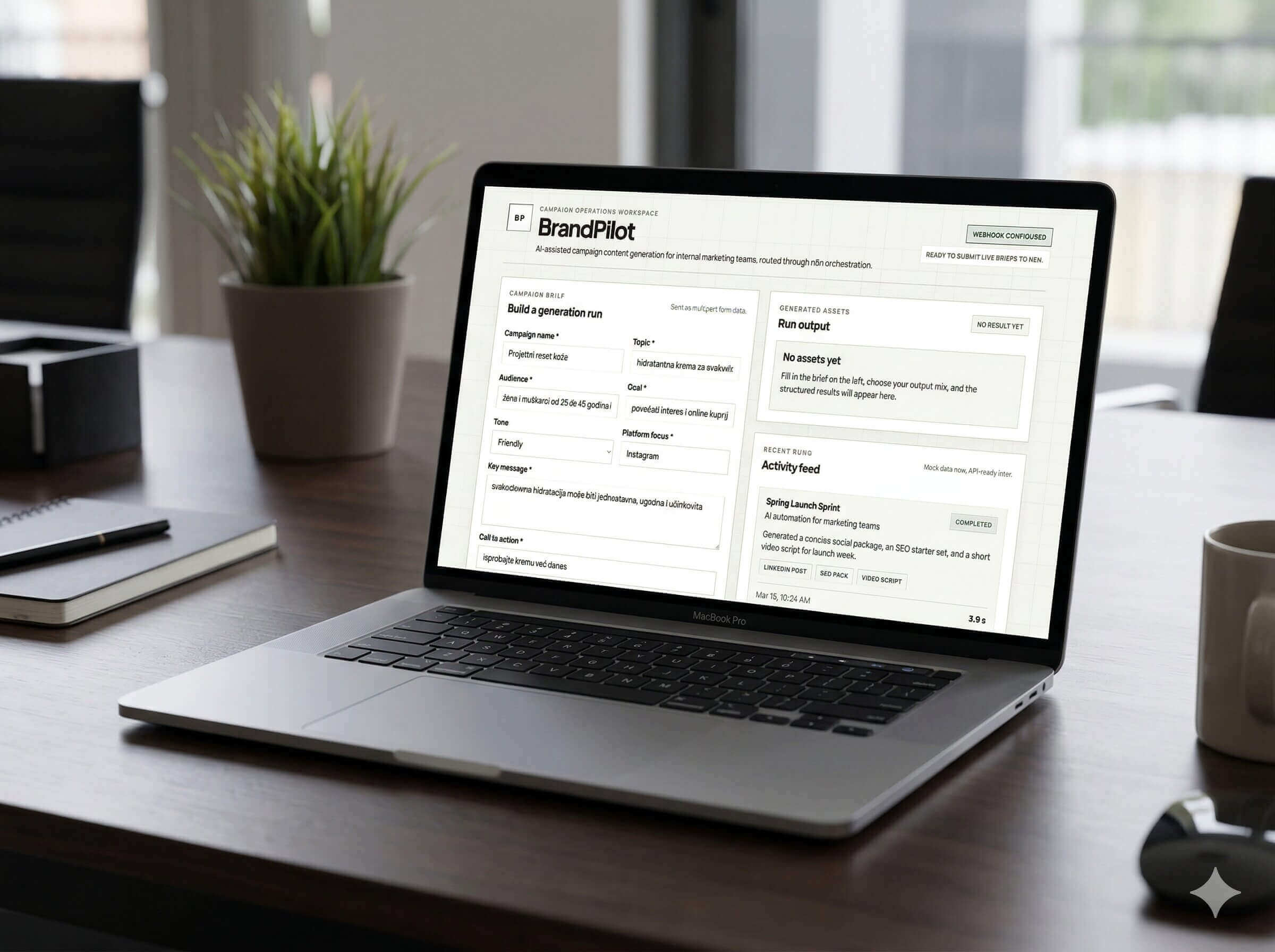
A structured campaign brief triggers multiple types of output through one interface and orchestration in the background, helping the team get to the first deliverables faster with less manual back-and-forth between tools.
Open case study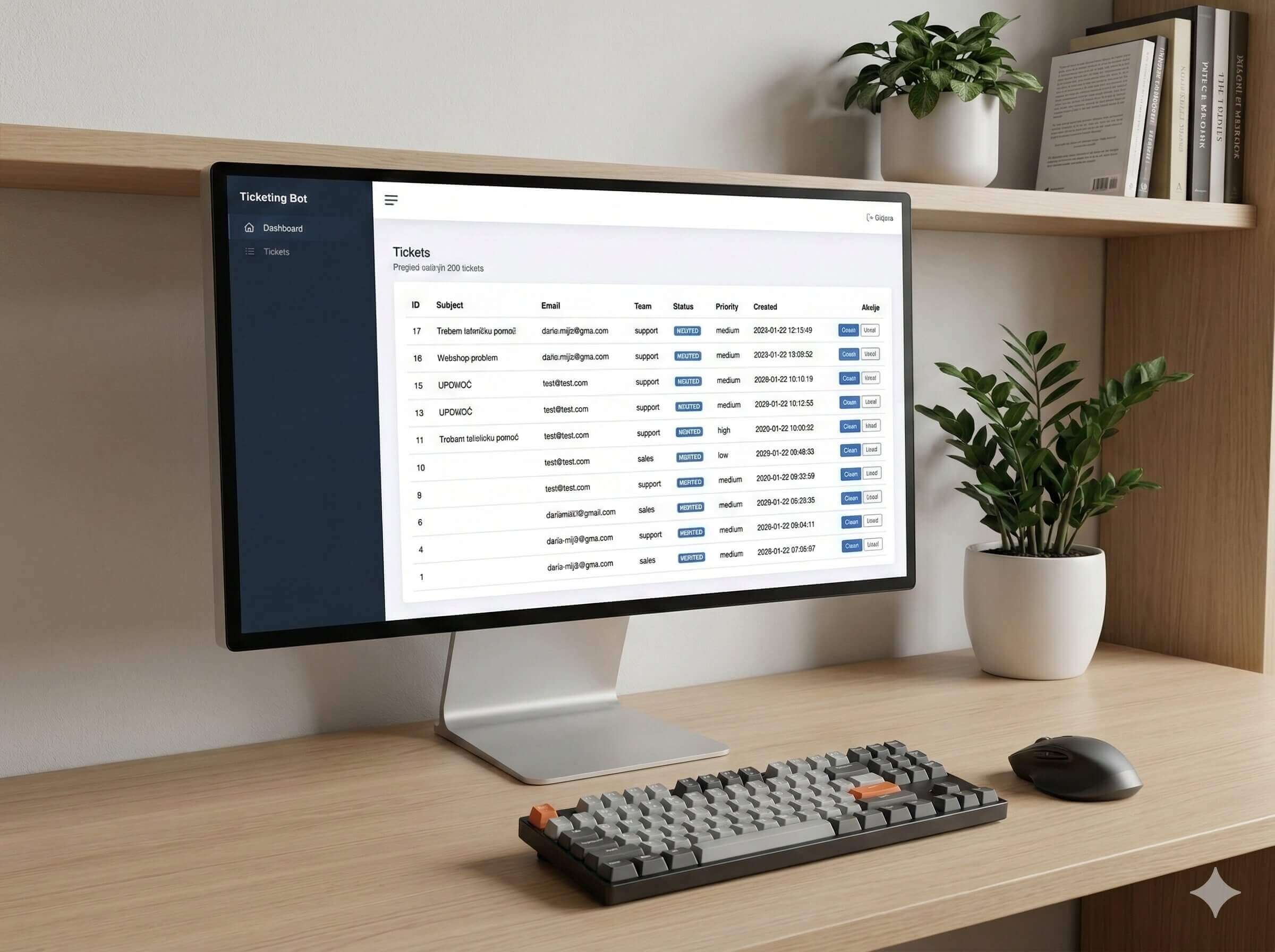
Web and email requests enter the same process, go through classification, and end up in a clear ticket record with routing logic and a team signal when human review is needed.
Open case study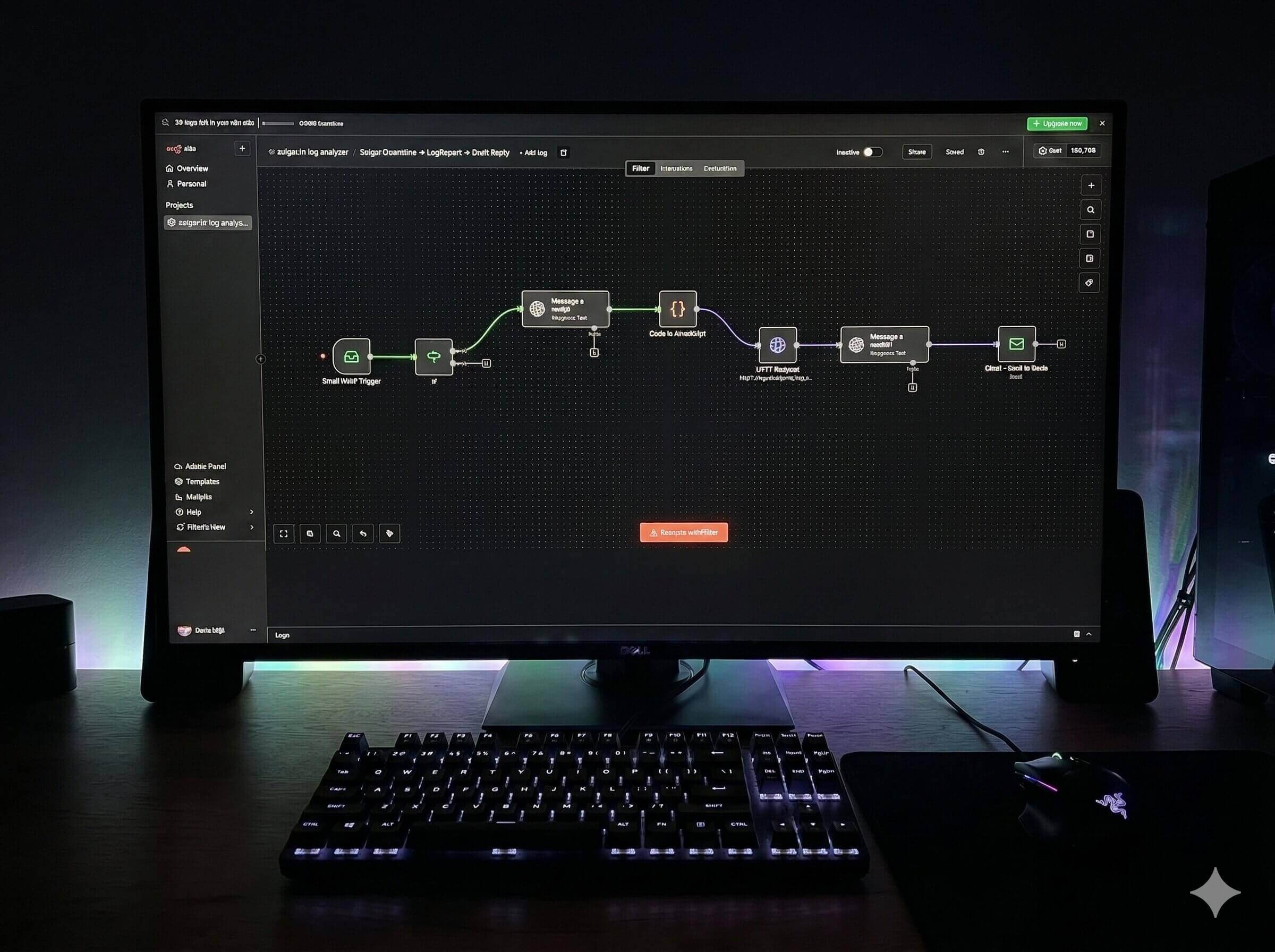
Downtime messages and operational requests are turned into a structured process that reads logs, gathers context, and prepares a meaningful response without rebuilding everything by hand each time.
Open case studyWhy Tokmatik
The goal is not to add one more tool to an already messy setup. The goal is to build a system that makes work simpler and gives the team a better view of what is going on.

The work does not stop at advice. The problem is translated into a real system, but without drowning the team in technical language.
Everything is built around the way the work already happens, not around someone else’s template that forces the team to change everything just to fit the tool.
If a problem is better solved with rules, integrations, or a clearer data view, that is better than forcing AI into places where it adds little value.
A good system does not stop mattering on launch day. It needs support, iteration, and adjustments as the business changes.
Getting started
Each path leads to a short structured brief. That helps Tokmatik understand the context right away, and helps you get a more useful first response and a clearer next step.
Process audit
If it is not yet clear what should be improved first, the audit helps map the process, identify bottlenecks, and define the most useful starting point.
MVP implementation
If you already know what is slowing you down most, an MVP is the way to turn that into a practical solution with a clear scope and a tangible result.
Operational support
If you already have a system that needs support, improvements, or expansion, this is the path for longer-term continuity and technical partnership.
Once submitted, the brief is stored in a structured format, sent by email, and can also move into automated follow-up and internal processing.
Blog
Short articles built from lab material, internal experiments, and project notes — reworked to be useful to people trying to bring more structure into everyday work.
The value does not end at launch. The real improvement comes when a system becomes more stable, measurable, and easier to monitor.
Read article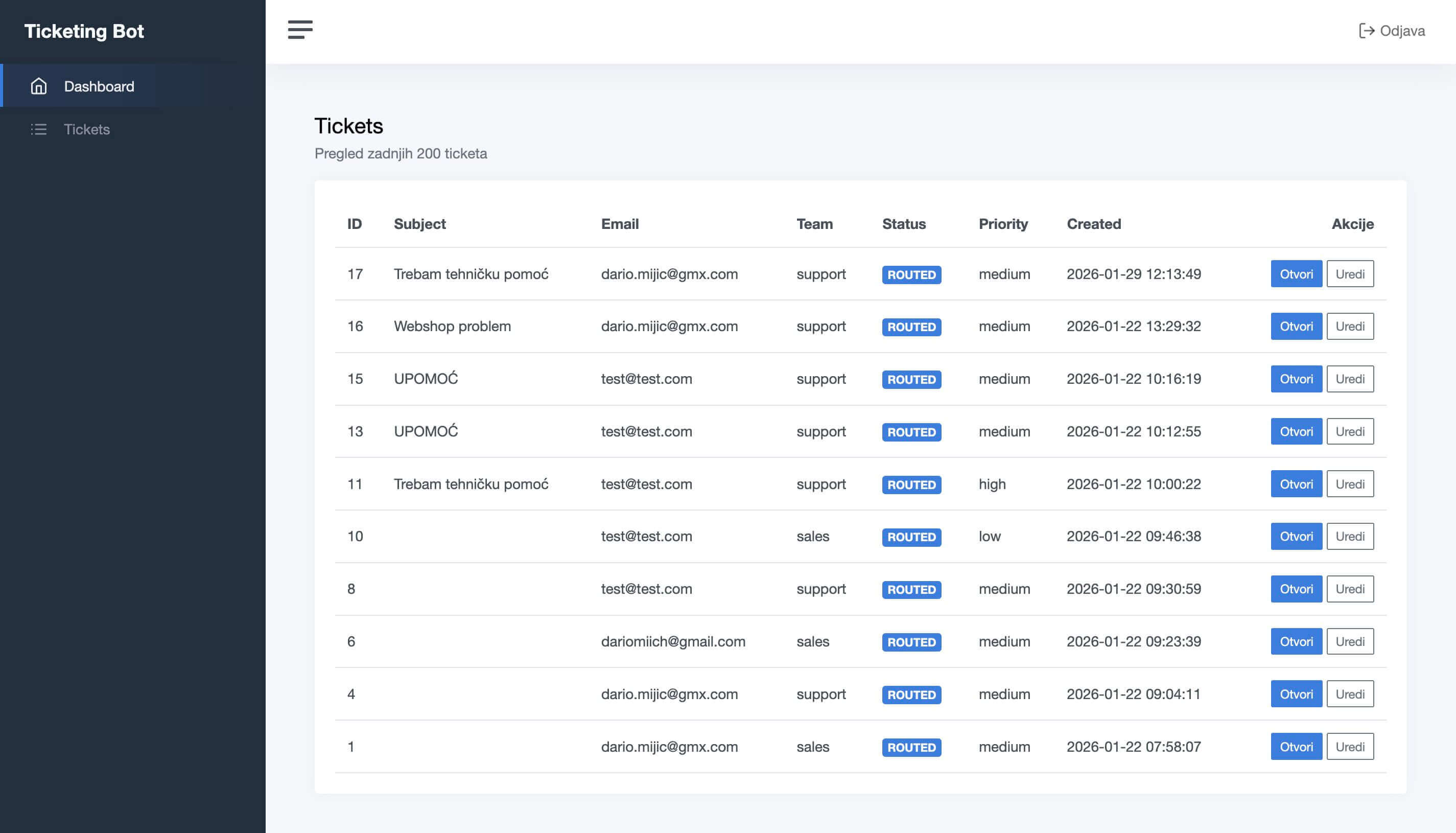
Good inputs, a clear data structure, and human review often matter more than the story that “AI does everything on its own.”
Read article
If the team cannot see what is happening in the system, every new feature can simply add more problems that nobody notices in time.
Read articleFAQ
Before tools and technical details, the real question is which problem is worth solving first and how to solve it without creating even more complexity.
No. In many cases, the biggest improvement comes from a better process, clearer rules, better tool connections, and a better view of what is happening. AI is added only where it actually helps.
Intro brief
Instead of sending one open-ended message, the brief walks you through a few short questions about the way you work, the problem, the tools you use, and what you want to improve. That makes the first response more useful and more specific.
What happens after you send it