
Monitoring before new features
If the team cannot see what is happening in the system, every new feature can simply add more problems that nobody notices in time.
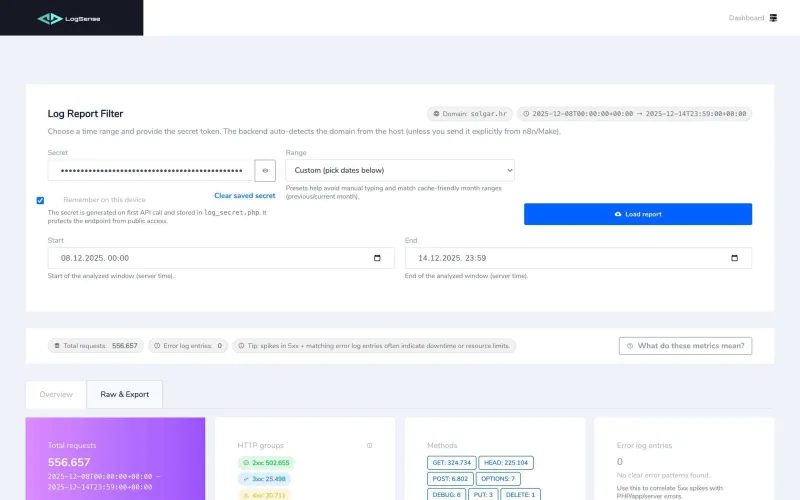
Without visibility, operations stay unsettled
Teams often ask for a new feature because the process feels broken. Sometimes that is the right answer. But just as often, what is missing first is visibility: where the request got stuck, how long processing takes, which step is most often delayed and when an alert should fire.
Monitoring reduces guesswork
Basic signals help separate a real problem from a general impression. That can be a simple dashboard, a status record, log analysis, an alert or a weekly view of what actually happened.
- Which requests are waiting too long?
- Which step creates the most manual intervention?
- Is there a repeating error pattern?
- What needs escalation and what simply needs recording?
Visibility does not need to be a huge platform. It just needs to give the team a signal they can act on.
Only then does expanding the system make sense
Once it is clear where the process is really breaking down, it becomes much easier to decide whether the answer is a new feature, another automation step, a rule change or simply a cleaner handoff. That is a calmer way to build and far less likely to create expensive mistakes.
For AI systems the same rule applies with more force. A system whose inputs, outputs and refusals are logged can be tested and improved. A system without logs can only be trusted on faith.